

Body awareness • emotional understanding • inner strength
Somatic Therapy in Calgary
Explore the connection between what you’re experiencing and how you feel in your body.
In-person and online appointments available.

Body awareness • emotional
understanding • inner strength
Somatic Therapy in Calgary
Explore the connection between what you’re experiencing and how you feel in your body.
In-person and online appointments available.
Somatic Counselling
Bring your body into the conversation
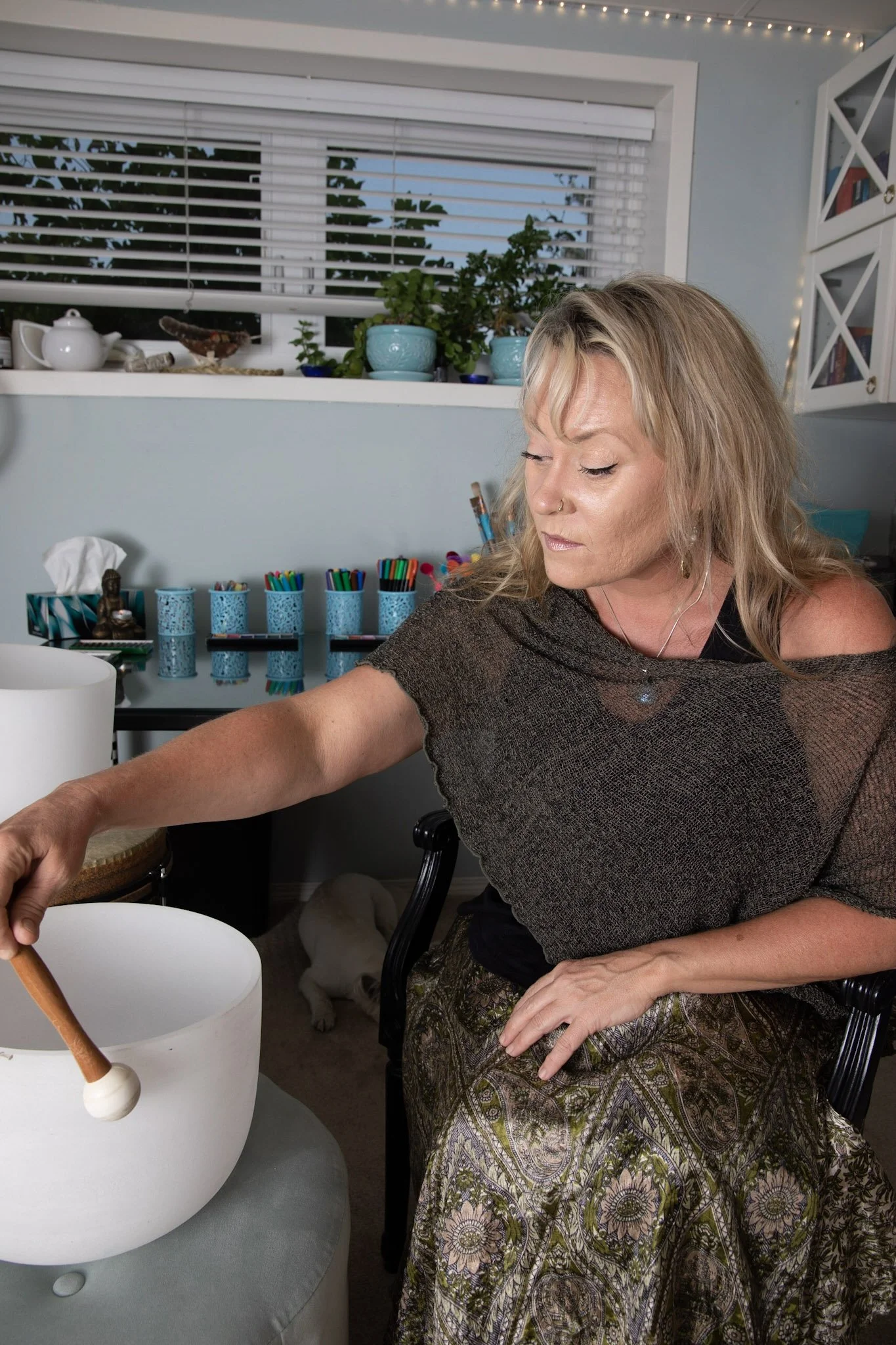
My interest in somatic work grew from a question that continues to shape my practice: what happens when we understand an experience intellectually, but still feel its effects? As a somatic counsellor and Registered Canadian Art Therapist, I bring bodily awareness into the conversation, giving attention to sensations and responses that can be difficult to explain.
My somatic approach is informed by earlier training in Sensorimotor Psychotherapy and Somatic Experiencing, along with studies in Kundalini Yoga, meditation and other body-based practices.
My training includes Integrative Body Psychotherapy, Focusing-Oriented approaches and specialized education in trauma and attachment. Through my clinical work, teaching and writing, I explore how body-based and creative approaches can work together. I bring that experience to our sessions with curiosity about what feels useful and meaningful to you.

Who this helps
Somatic Therapy for Stress, Anxiety and Trauma
Anxiety might feel like restlessness or an inability to settle. During a difficult conversation, you might notice yourself holding your breath, tightening your shoulders or wanting to withdraw. At other times, you may feel numb or have trouble recognizing what you’re feeling at all.
Somatic counselling makes room for these experiences. The word “somatic” refers to the body, and this approach brings attention to physical sensations alongside thoughts, emotions and relationships. You don’t need to be particularly aware of your body to begin.
In my practice, I work with people navigating trauma, ongoing stress, anxiety, depression and grief, as well as difficulties with trust and closeness in relationships. We explore how these experiences affect you emotionally and physically, without assuming that every sensation has an emotional cause or a particular meaning.
What Happens in a Somatic Counselling Session?
Our sessions include conversation, with opportunities to slow down and notice your experience as it unfolds. Rather than needing a detailed explanation for everything, you can begin with something as simple as “I feel tense” or “I’m not sure what I’m noticing.”
Working together

Building Support Before Exploring Trauma
My training in Integrative Body Psychotherapy and trauma-focused approaches informs how I begin this work: by helping you identify resources you can return to before approaching difficult experiences. I may ask how you recognize comfort, strength or steadiness, and whether you can notice any of those qualities physically.
We give attention to experiences that support you as well as those that trouble you. This helps us establish a foundation for exploring difficult material at a pace we agree on together.

Recognizing Physical Responses to Emotions
Difficult experiences can affect our breathing, muscle tension and sense of safety. Somatic therapy helps us notice these responses, work at a manageable pace and explore what supports greater ease, connection and choice.
As you speak, I might invite you to pause and notice a change in sensation, posture or breathing. We can explore what was happening when that change appeared and whether it feels connected to an emotion, memory or need.
You remain involved in deciding where we go next. We can continue talking, try a brief practice or leave something alone. Noticing a response doesn’t mean you have to stay with it until it changes.
For some people, particularly those living with trauma or chronic pain, focusing on the body may not feel safe at first. We work gently and at your pace, making space for grounding, conversation or other approaches that feel more manageable.

Using Somatic Practices Between Sessions
We explore which ways of working you would like to use beyond our appointments. Alongside our work in sessions, we develop body-awareness and grounding practices you can use in everyday life. A practice needs to be something you can comfortably return to, whether that involves movement, a moment of awareness or an image that reminds you of your strength.
We can also discuss what makes it difficult to use those resources. The aim is to find approaches that fit your life and feel like your own.

Somatic Techniques We May Use
Somatic counselling can involve several ways of paying attention to your experience. My background in meditation, yoga and sound-based practices informs the options I offer alongside my clinical training. We choose what fits your needs; you don’t have to participate in every approach.
-
I may invite you to notice a sensation without immediately trying to explain or change it. You might become aware of pressure, warmth, tightness or an area that feels relatively comfortable. We use these observations as information, exploring what they mean to you rather than assigning them a fixed interpretation.
-
We may pay attention to how you’re breathing and what you notice when you bring awareness to it. This can become a way of checking in with yourself during stressful moments. Breath-focused work is optional, and we can choose another approach if it feels uncomfortable or draws too much attention inward.
-
Movement offers another way to explore how you’re feeling. I may invite you to notice your posture or experiment with a small, comfortable movement, then reflect on whether anything feels different. There is no fitness or flexibility requirement, and we adapt to your comfort and abilities.
-
I use guided meditation to invite reflection on experiences such as strength, support and well-being. The language we use depends on what resonates with you. For some people, that includes spiritual meaning; for others, it is a practical opportunity to pause and notice their experience.
-
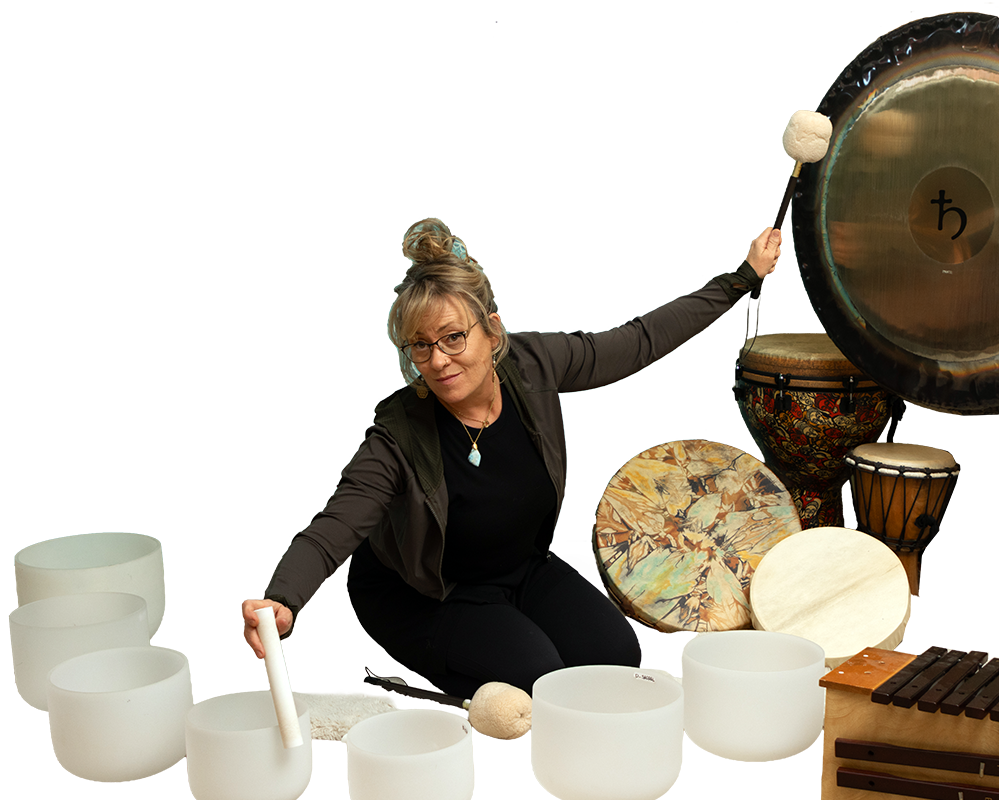
In person, I may incorporate my gong, crystal singing bowls or other instruments as part of a meditation or awareness practice. Sound is an optional part of our work, chosen with your preferences and sensory comfort in mind. We can discuss what to expect before including it.
How Somatic Counselling Can Help
Somatic counselling can help you become more familiar with your responses and identify what you need in difficult moments. We connect what you notice during sessions with everyday situations, such as managing a demanding day, navigating conflict or recognizing when you need support.

Recognizing Stress and Emotional Overwhelm
If you tend to keep going until you feel overwhelmed, we can explore the earlier signs that you’re approaching your limit. You might notice tension, restlessness or a change in your breathing before you recognize how stressed you feel.
Becoming familiar with those cues gives us something practical to work with. We can consider when to pause, adjust a demand or use a practice you’ve found helpful, rather than waiting until everything feels too much.

Understanding Trauma and Relationship Patterns
A difficult conversation might leave you bracing, withdrawing or agreeing to something you don’t want. Together, we can explore what happens in those moments and how earlier experiences may have shaped your response.
This understanding can help us identify where you would like more choice. That might mean asking for time before answering, recognizing when an interaction feels overwhelming or finding words for something you usually keep to yourself.

Recognizing Your Needs and Boundaries
You may be accustomed to attending to other people before checking in with yourself. Bodily awareness can give us another way to explore what feels comfortable, what feels demanding and when you need more space.
We consider those observations alongside your thoughts and circumstances. From there, we can practice expressing a preference, communicating a limit or asking for the kind of support you need.
Developing a Sense of Safety and Strength
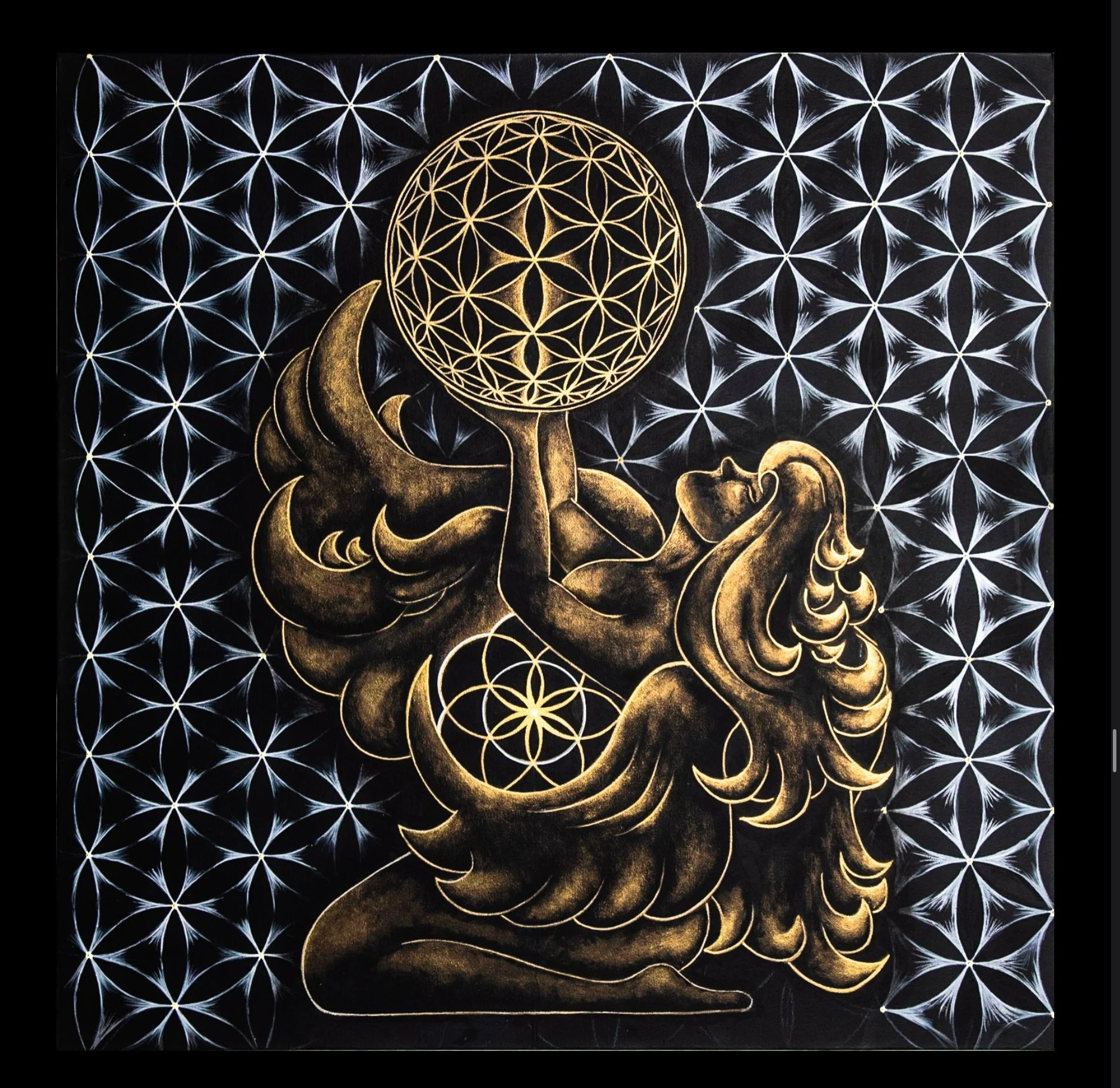
We spend time noticing how you experience steadiness, comfort or strength, however small those moments may be. A particular movement, meditation or personally meaningful image might help you reconnect with that experience.
Together, we identify which resources you want to carry into daily life and when you might use them. The aim is to develop familiar ways of supporting yourself while also recognizing when you need connection or help from others.
Combining Somatic Counselling and Art Therapy
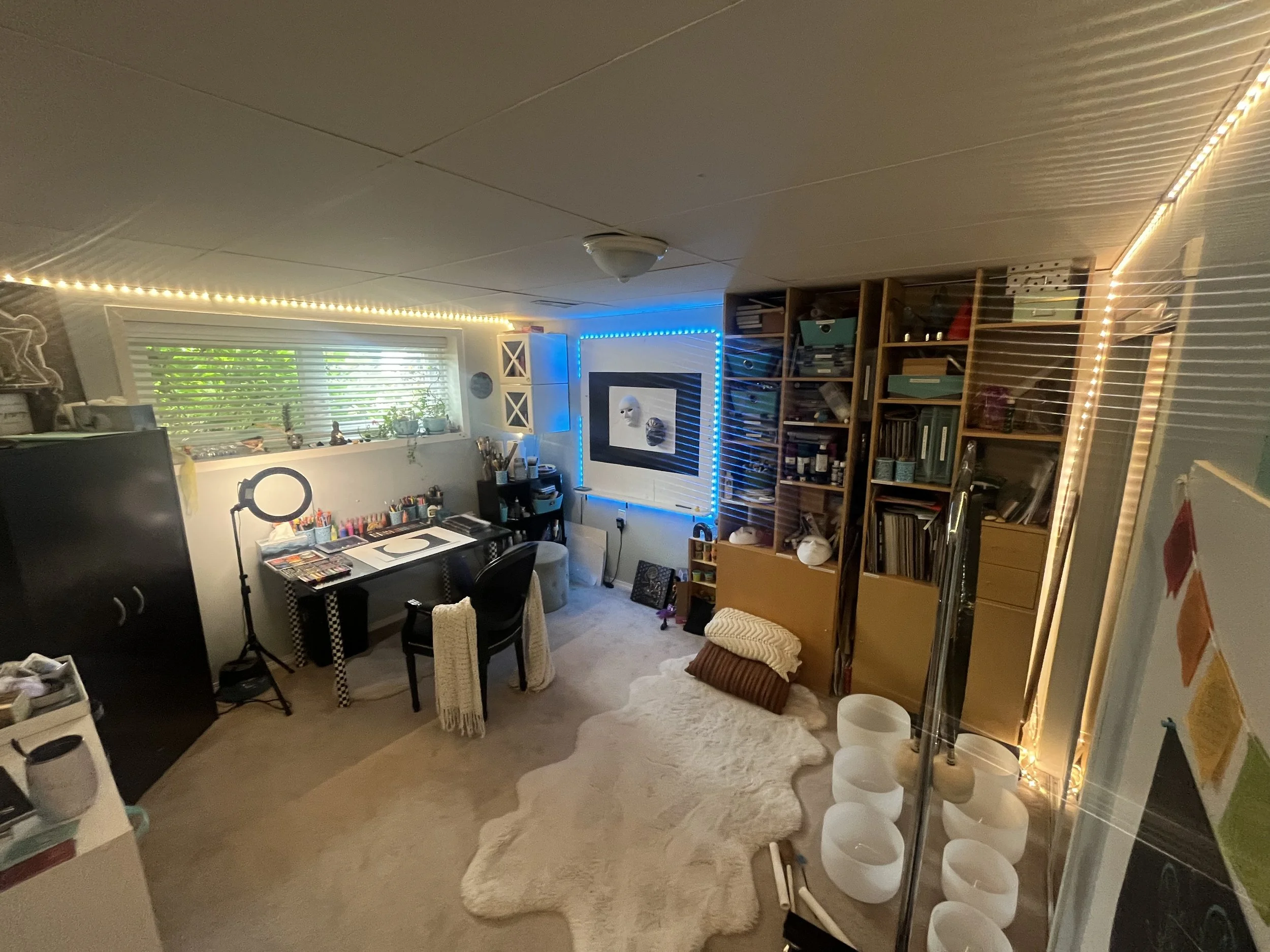
My practice brings somatic counselling and art therapy together. When a feeling is difficult to describe, I may invite you to represent it through colour, shape or imagery. Something that felt indistinct internally becomes something we can look at and discuss.
During my training at the Kutenai Art Therapy Institute, my thesis explored trauma recovery through Focusing-Oriented Art Therapy. I developed and adapted an approach that brought bodily awareness, mindfulness and creative expression together. That research continues to inform how I work with clients and teach other professionals.
We can also create an image of a supportive experience, giving you a personal reminder to return to. You don’t need artistic skill, and we’ll discuss whether creative expression feels like a useful part of your work.
Questions About Somatic Counselling
-
Conversation remains part of our work. Somatic counselling adds deliberate attention to physical experience, so we might pause while discussing something to notice your breathing, posture or sensations. This gives us another way to explore what is happening for you alongside your thoughts and words.
-
You don’t need to identify sensations clearly or have a particular experience. We can begin with what is available to you, including uncertainty or a sense of disconnection. There is no test to pass and no expectation to produce a response.
-
For many people who have experienced trauma or chronic pain, the body may not feel like a safe or comfortable place to focus attention. That understanding guides our trauma-informed approach. We follow the needs and timing of your system, and can pause, talk or choose a different practice whenever body-focused work feels overwhelming.
-
A detailed account isn’t required to begin. We can focus on what is affecting you now, what you would like support with and what helps you feel prepared for the work. You decide what you share.
-
You don’t need to arrive knowing which approach you need. I draw on both within my practice and can explain how they might fit your goals. We’ll make those choices together as we get to know what works for you.
-
Yes. Online appointments allow us to use conversation, bodily awareness and practices suited to your space. Some elements, such as working with my sound instruments, are specific to in-person sessions. We can discuss the options during your discovery call.

Explore a Body-Based Approach With Somatic Therapy
If you’d like to understand your responses and explore a different way of working with stress or difficult experiences, let’s talk. A discovery call gives us time to discuss your needs and how I can support you.