

push beyond your mental script of what is possible
Kundalini Yoga in Calgary
Explore how yoga and meditation can support the work we do together in therapy.

push beyond your mental script
of what is possible
Kundalini Yoga in Calgary
Explore how yoga and meditation can support the work we do together in therapy.
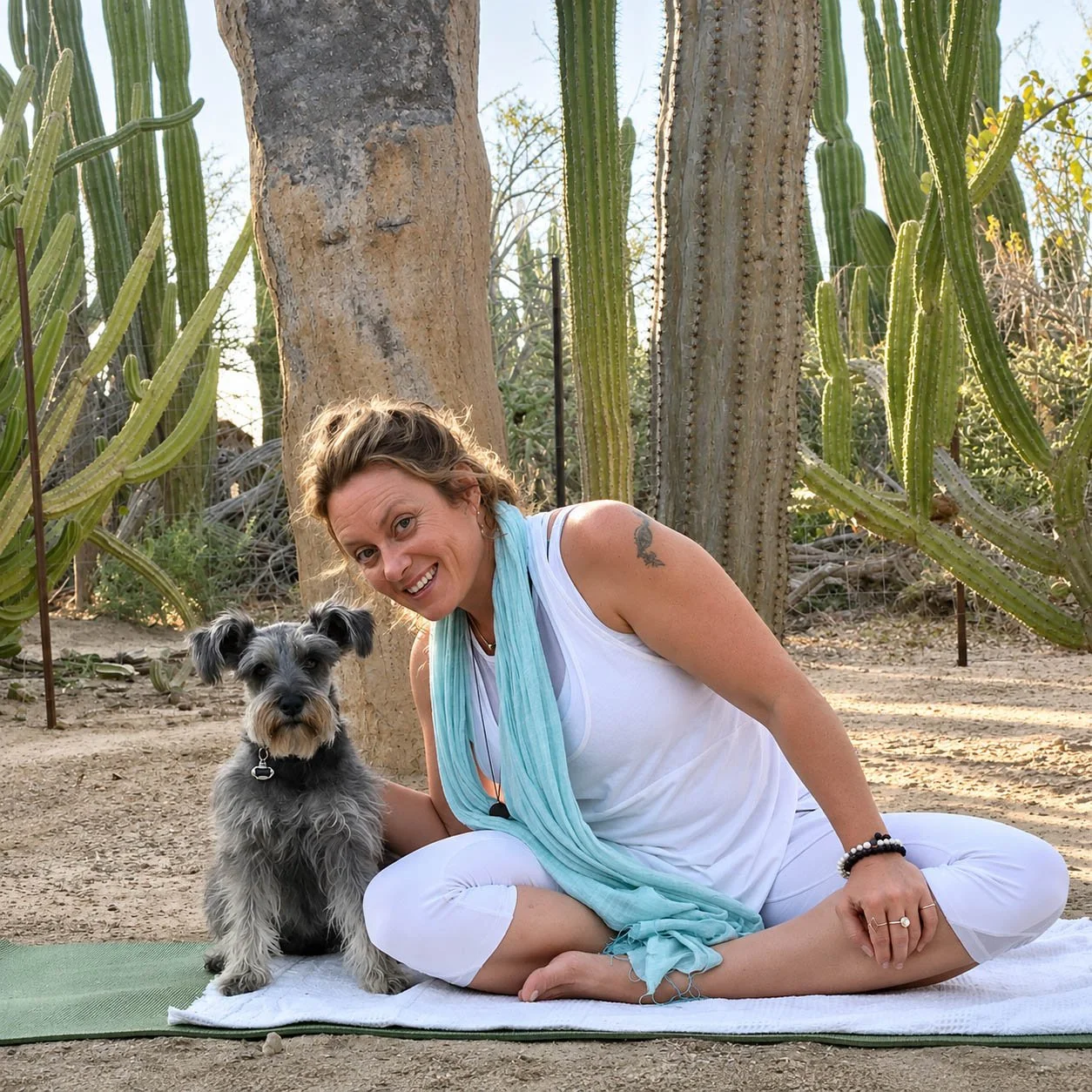
Kundalini Yoga & Meditation With Charmaine Husum
Yoga as part of your therapeutic work
Yoga, movement and meditation have shaped both my personal life and my professional work. As a trained Kundalini Yoga and Meditation instructor, Registered Art Therapist and somatic counsellor, I draw on these practices within a broader therapeutic approach. They offer ways to explore your experience through movement, attention and reflection alongside the conversations we have in therapy.
My training includes Kundalini Yoga teacher training and trauma-informed yoga with Dana Moore. I have also led workshops combining yoga, art and meditation, exploring themes such as fear, self-doubt and inner strength. That experience informs how I bring these practices into our work, with attention to your interests, comfort and reasons for seeking support.
What Is Kundalini Yoga?
Kundalini Yoga combines movement, breathing practices, meditation and sound. Often called the “yoga of awareness,” it encourages you to notice your inner experience as you practise. Some exercises involve repeated movements or holding a posture, while others focus on sitting and directing your attention.
You may hear the word kriya, which describes a structured sequence of exercises that can include postures and breathing techniques. Mantra, the repetition of a word, phrase or sound, is also part of many practices. These elements bring together physical activity and meditation, although the balance varies between practices.
How Is Kundalini Yoga Different From Other Yoga?
Many yoga styles include breath, movement and meditation. Kundalini Yoga places particular emphasis on repeated sequences, sound and focused awareness. If you are familiar with classes built around flowing between poses, you may find the repetition and meditative focus quite different. Depending on the practice, you might repeat a movement with your breathing, hold a posture or spend time in meditation. Some exercises can be physically demanding, and teaching styles vary.
Within therapy, I draw selectively from these elements rather than lead a full yoga class. We can explore a simple movement or meditation in relation to what you are working through, then take time to discuss your experience.
Exploring Stress and Overthinking Through Movement and Meditation
Stress can show up as racing thoughts, a tight jaw, tense shoulders or difficulty settling at the end of the day. You might keep going until you feel exhausted, only then noticing how much you have been carrying. When it is difficult to explain what you feel, paying attention to your body can give us a starting point for conversation.
Within therapy, we can explore what you notice during a simple movement, a pause or a moment of breath awareness. You might become more aware of tension, an emotion or the urge to stay busy. We can talk about those observations and how they connect with daily life, without expecting a particular response from the practice.
You may also be interested in movement and meditation as a way to reconnect with your body or explore questions of meaning and spirituality. Those interests are welcome, and we can consider them alongside your other goals for therapy.
Trauma-Informed Yoga at Your Own Pace
Before introducing a practice, we can discuss your experience with yoga or meditation, any physical limitations and what you would prefer to avoid. Your comfort and boundaries help shape the session. You can ask for an adjustment, pause or decline an exercise, and we can work entirely through other approaches if that suits you better.
Spiritual questions are welcome when they matter to you, but no particular belief is expected. My work respects your understanding of the world and your right to decide what feels relevant to your therapy.
How I Use Movement and Meditation in Therapy
Working together

Breath Awareness & Mindful Movement
We may begin by noticing your natural breathing or exploring a simple movement. As you pay attention, you might notice tension, restlessness, ease or very little at all. My somatic counselling background informs how we explore these responses, with attention to your physical comfort and pace. What you notice can help us discuss experiences that are sometimes difficult to put into words.
Sometimes we create a gesture or movement that represents a new way of being or responding. Repeating it between sessions can make it more familiar and give you a physical cue to return to mindful awareness when you feel overwhelmed or unsettled.

Meditation and Emotional Awareness
Meditation can become a starting point for reflection and a way to practise new patterns of attention and emotional awareness. Our brains have the ability to change and adapt through experience, a process known as neuroplasticity. Research suggests that mindfulness and meditation may influence brain processes involved in attention, emotional regulation and our responses to stress.
There is no expectation that your mind will become quiet. We explore what you notice during meditation, including thoughts, feelings and physical sensations, and adjust our approach to your comfort and needs.

Combining Kundalini Yoga With Art Therapy
My past workshops have combined yoga, meditation and art-making, and these approaches can also inform individual sessions. Combining mindful movement with creative expression gives us opportunities to explore our experiences and practice new ways of responding. Through repetition and reflection, these practices can support learning and personal growth, connecting the concept of neuroplasticity with the therapeutic process.

Kundalini Yoga FAQs
-
Not everyone finds meditation comfortable. For someone who has experienced trauma or chronic illness, being still or focusing closely on sensations in the body may feel overwhelming. We can begin with eyes-open grounding, gentle movement, conversation or awareness of the space around you. You can pause or change direction at any time. Mindfulness is something we explore at your pace, not something you are expected to get right.
-
I do not currently offer standalone public Kundalini Yoga classes. I draw on elements of yoga and meditation within my therapeutic work. If this interests you, a discovery call is an opportunity to discuss how these practices may fit into your sessions.
-
No previous experience is needed to explore movement or meditation within therapy. We can discuss your mobility and comfort, then choose an approach that fits. There is no expectation that you can hold a particular pose or complete a full yoga sequence.
-
Yes. We can focus on art therapy, somatic counselling or other approaches that fit your needs. You are welcome to discuss which parts of my work interest you and which you would prefer to leave out.
-
The accounts of abuse connected with the organisation that popularised Kundalini Yoga in the West led me to step away and reconsider my relationship with the practice. I take those accounts seriously. I have since chosen to draw selectively from practices that remain meaningful to me, while questioning the authority and teachings attached to them.
I respect your decision to engage with these practices or avoid them and welcome questions about my approach.

Explore Kundalini Yoga as Part of Your Therapy
Let’s talk about how movement, meditation and creative expression could fit your needs. Book a free discovery call to ask questions and get to know my approach.