

Creativity • connection • self-discovery
Art Therapy in Calgary
Find space for what you feel, even when the words haven’t come yet.
In-person and online appointments available.
Creativity • connection • self-discovery
Art Therapy in Calgary
Find space for what you feel, even when the words haven’t come yet.
In-person and online appointments available.
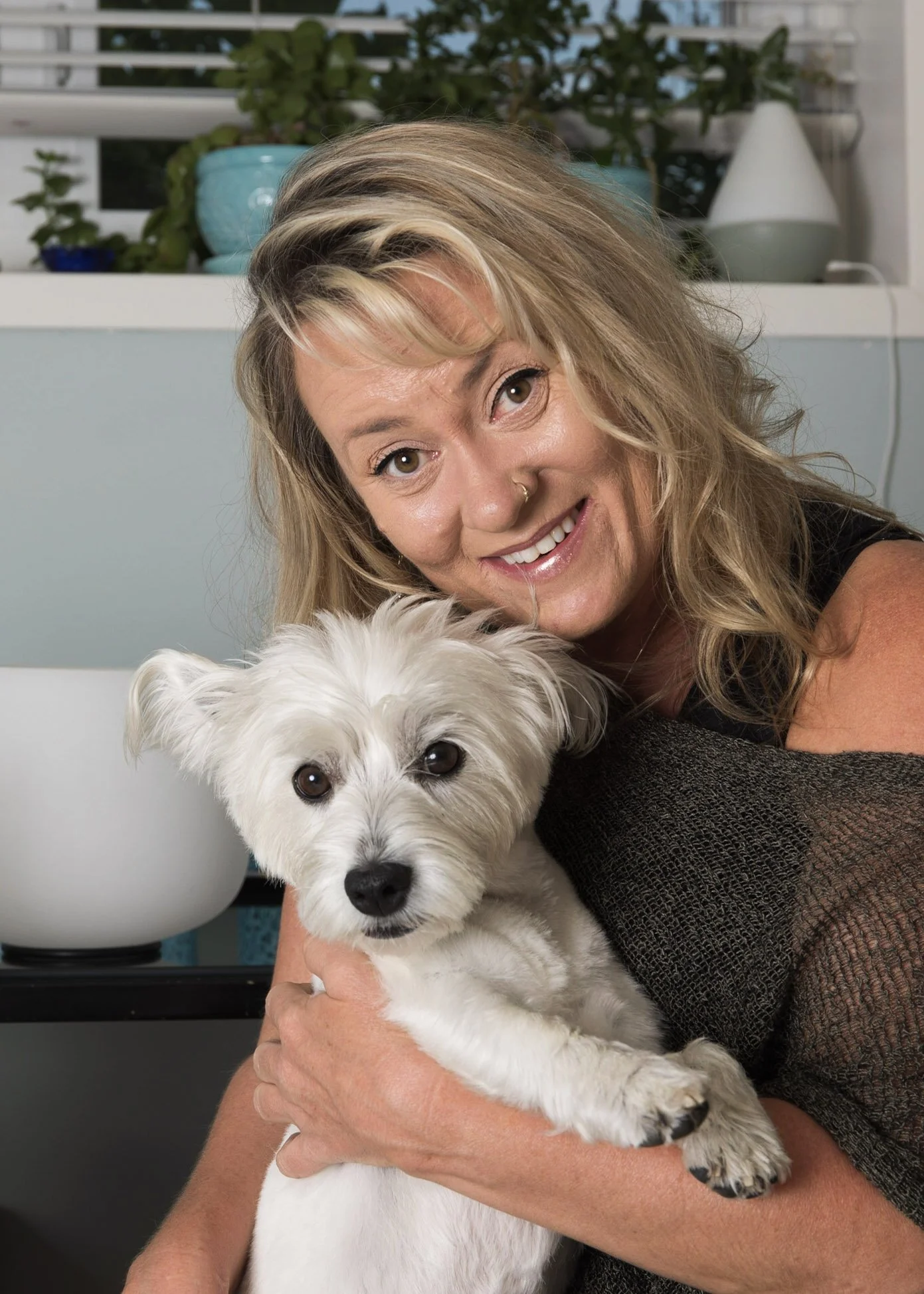
Art Therapy With Charmaine Husum
Clinical skill, creative experience
I’m a Registered Canadian Art Therapist and Supervisor offering trauma-informed art therapy. I bring together clinical training, more than 25 years of professional artistic experience and a practice grounded in creative expression and bodily awareness. Depending on your needs, my approach may integrate art therapy with trauma-informed counselling, somatic awareness, attachment-focused perspectives and parts work.
Alongside my client work, I teach and supervise other therapists. In our sessions, that experience helps me offer guidance suited to what you’re bringing, whether you know what you want to explore or need some help finding a starting point. You don’t need artistic ability to begin.
Art therapy is a distinct clinical mental health modality, not simply an art activity added to counselling. A trained art therapist uses the creative process within a therapeutic relationship to help clients explore emotions, experiences and patterns in ways that may be difficult to express through conversation alone.
Who Can Art Therapy Help?
Support through life’s challenges
You may know exactly what you’re struggling with, or simply feel that something needs attention. Perhaps you’ve talked through an experience many times but still find it difficult to express how it feels. You might be moving through a loss, questioning who you are after a major change or wanting to feel more connected to yourself.
I work with people experiencing trauma, anxiety, depression, grief, attachment difficulties and significant life transitions. Depending on what brings you here, we might work on finding words for a difficult emotion, recognizing a recurring response or understanding a need you’ve struggled to express.
Creativity also makes room for curiosity, pleasure and discovery. Alongside attending to what hurts, we can explore what nourishes you and what you would like to bring back into your life.
Alongside my clinical approach, I can make space for transpersonal perspectives, meaning, intuition and spirituality when they are relevant to your beliefs and goals. These elements are never assumed or imposed.
What Happens in an Art Therapy Session?
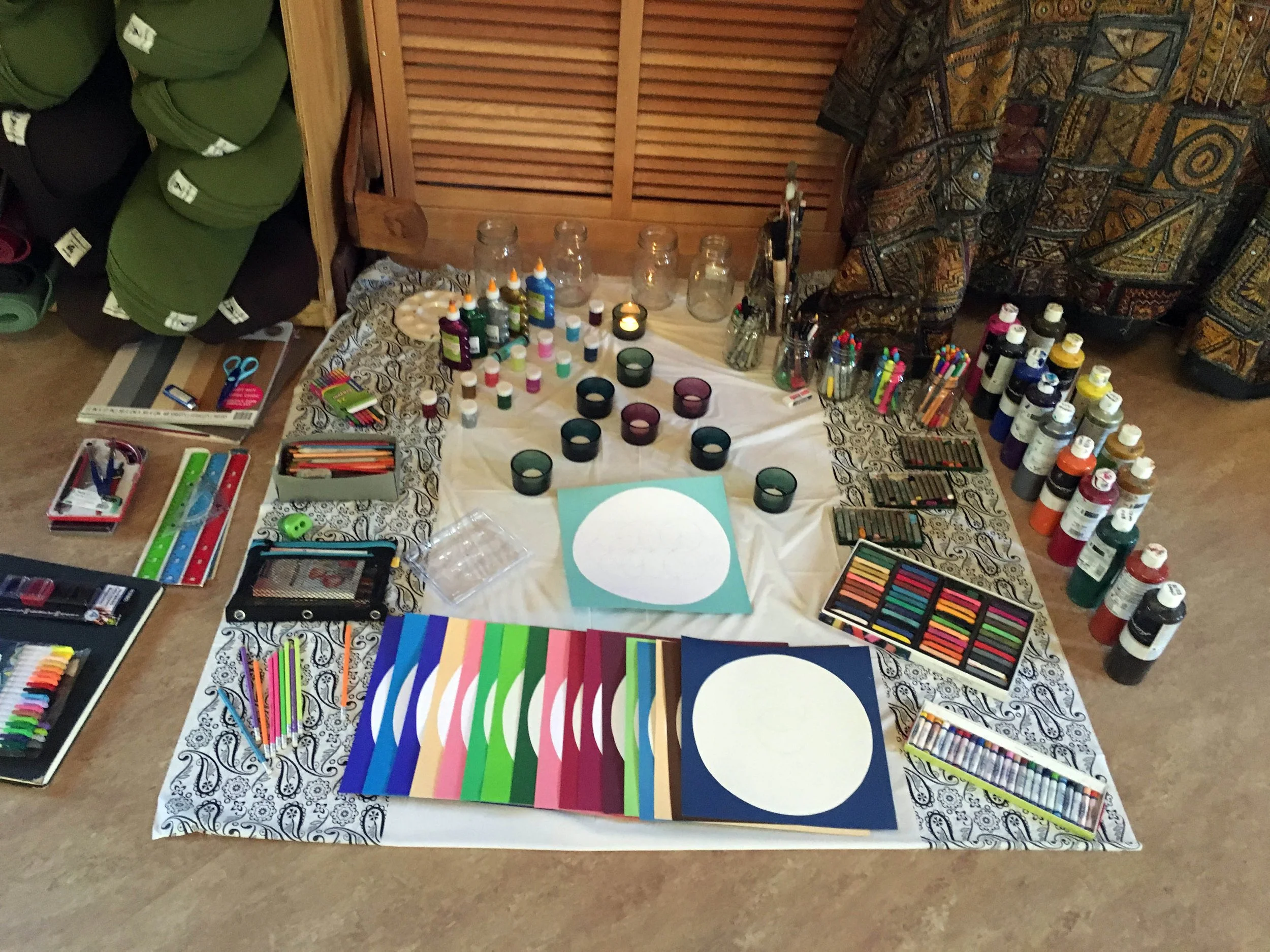
Art therapy is not simply about making an image and talking about it afterward. The creative process itself can help us connect with emotions, memories and inner experiences that words alone may not reach. You don’t need artistic ability; we begin wherever you are. I explain the purpose of the approaches we use and invite you to ask questions throughout the process. Understanding what we are doing, and choosing what feels right for you, are important parts of our work together.
Working together

Your First Session: Beginning With Safety and Inner Resources
Before exploring difficult experiences, we take time to build trust and discover what helps you feel grounded and supported. For me, this foundation is especially important in trauma work. Healing is not about pushing through painful memories before you feel ready.
I may guide a meditation or body-awareness practice, then invite you to create an image of strength, safety or connection. This artwork can become a personal resource that we return to as our work deepens, helping you reconnect with a sense of support.

Exploring Emotions Through Art & Body Awareness
Sometimes our bodies respond to experiences we cannot easily explain. As you work with colour, shape, texture or imagery, feelings may shift, memories may emerge or something unexpected may become clearer. We pay attention not only to what appears on the page, but also to what you notice as you create.
I draw on somatic and focusing-oriented approaches to help you explore sensations and emotions at your own pace. I don’t interpret your artwork for you. Together, we explore its meaning and what the creative process brings forward.

Connecting Session Insights to Everyday Life
We take time to consider how what you discover relates to your relationships, choices and responses outside therapy. An image might help you express a need you’ve struggled to explain, or a moment in the creative process might help you recognize a familiar pattern.
Together, we explore what you want to do with that understanding. This might mean practicing how to put a feeling into words or returning to an image of strength between sessions. What matters is finding something meaningful and useful to you.

What Can Art Therapy Help With?
People come to art therapy with different concerns, experiences and hopes for change. You may recognize yourself in several of the areas below. We can use these as starting points while making room for what is particular to you. Colour, shape, imagery and movement can offer ways to express feelings or experiences that are hard to describe in words, allowing us to explore them together at your own pace.
-
When your mind feels busy or you’re carrying a sense of tension, it can be difficult to explain what’s happening. In our sessions, we can use art to give those feelings a form, explore what contributes to them and notice how they show up in your body. Together, we can identify what helps you feel supported and what needs attention in your everyday life.
-
You may find it difficult to speak about an experience or notice that its effects continue to show up in your emotions, relationships or physical responses. My approach to trauma-focused art therapy begins with establishing support and respecting your pace. Creative expression gives us another way to approach what you’re carrying, without requiring you to describe everything in detail.
-
Feeling low, numb or disconnected can make it hard to know what you need, let alone communicate it. Art-making offers a starting point when conversation feels difficult. We can explore your experience through images and colour, while also making room for interests, relationships and parts of yourself that you would like to reconnect with.
-
Loss can bring feelings that shift from day to day or seem difficult to hold together. Whether you’re grieving a person, a relationship, your health or a familiar way of life, art therapy offers space to express what the change means to you. We might work with memories, explore what you want to carry forward or give attention to the uncertainty of what comes next.
-
Questions about who you are and what you want can emerge at any stage of life. Through art, we can explore the expectations you carry, the ways you see yourself and the qualities you would like to express more freely. This can also be a place to explore creative blocks, self-criticism or a desire for greater meaning and direction.
-
You might struggle to express your needs, find yourself repeating familiar relationship patterns or feel unsure why certain interactions affect you so strongly. Creating an image of an experience can give us something concrete to reflect on together. We can explore the feelings beneath your reactions and consider what you want others to understand.
-
Living with pain or changes in your health can affect your independence, relationships and sense of identity. Art therapy provides room for the emotional experience of what you’re going through, including frustration, grief and uncertainty. We can explore how you see yourself beyond your health challenges and what helps you feel connected to the parts of life that matter to you.
-
My work with addiction includes exploring the emotions, experiences and needs connected with patterns of substance use or other behaviours. Art can offer a way to express things that feel difficult to say, including shame, ambivalence or hopes for change. Together, we can give attention to your strengths, relationships and the life you want to build as part of your recovery.
What Are the Benefits of Art Therapy?
What you take from art therapy will depend on what brings you here and how our work develops. Alongside exploring difficulties, the creative process offers opportunities to discover strengths, make choices and develop a fuller understanding of yourself.
Art therapy draws on the brain's natural ability to learn, change and adapt through experience, a process known as neuroplasticity. Research is continuing to explore how creative expression relates to emotional processing, learning and the brain’s capacity to adapt. Combined with established therapeutic approaches, art therapy offers opportunities to develop new perspectives, recognize emotional patterns and explore healthier ways of responding to life's challenges.
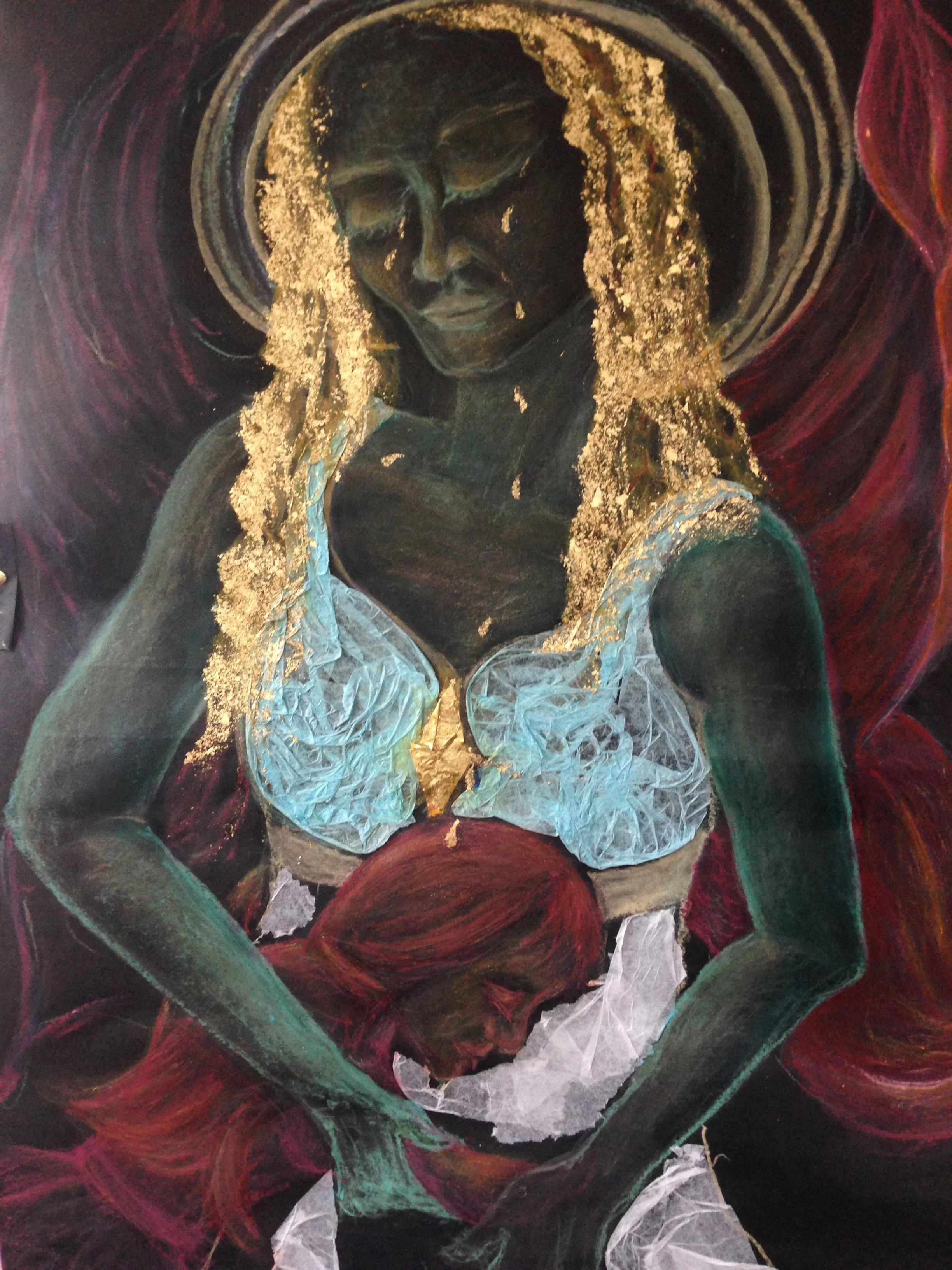
Express Feelings That Are Difficult to Put Into Words
An image can hold several feelings at once, even when they seem contradictory or hard to explain. Creating something gives you a starting point for sharing those experiences. You can choose what to express, what to discuss and what you would like to spend more time understanding.
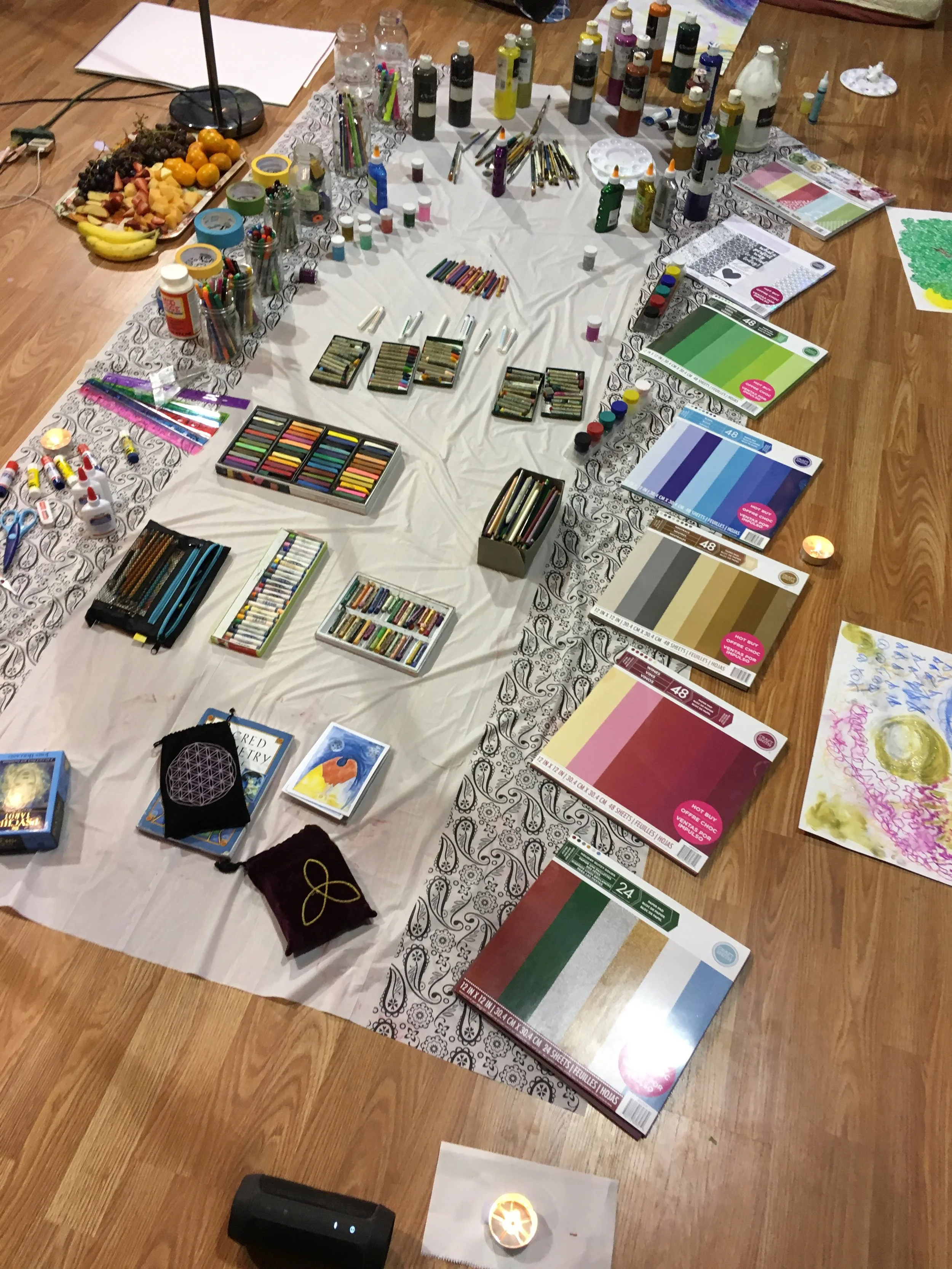
Understand Your Patterns and Responses
Looking at your artwork and reflecting on the process can help you notice connections between your feelings, bodily responses and experiences. You might recognize a familiar reaction, become curious about an expectation you place on yourself or identify a need that has been difficult to acknowledge.
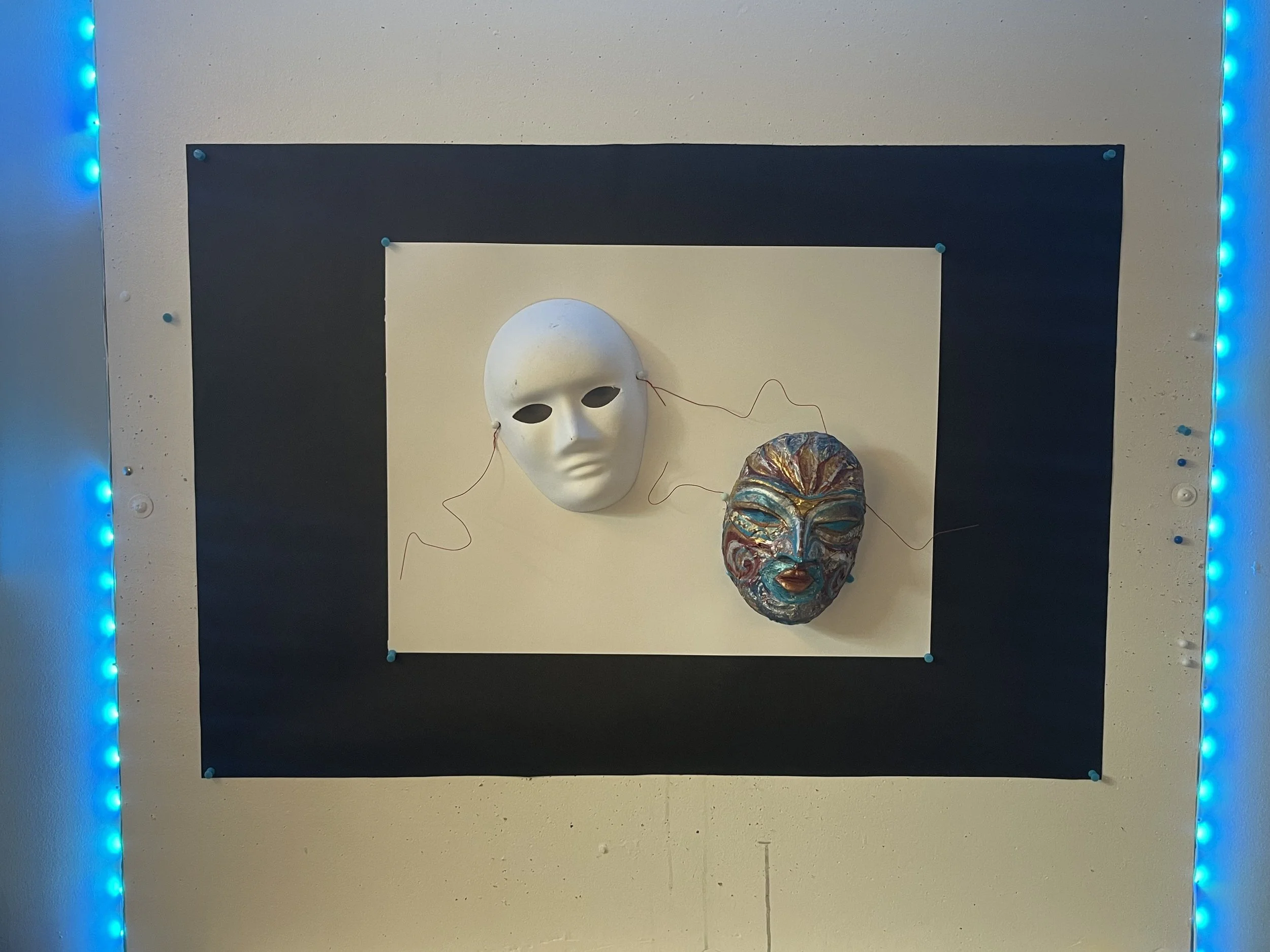
Build Confidence in Your Choices
Art-making offers opportunities to make decisions, try something unfamiliar and notice your own preferences. I support you in developing your understanding of what you create. These moments can become a starting point for exploring how you trust yourself, express your needs and make choices in other areas of life.
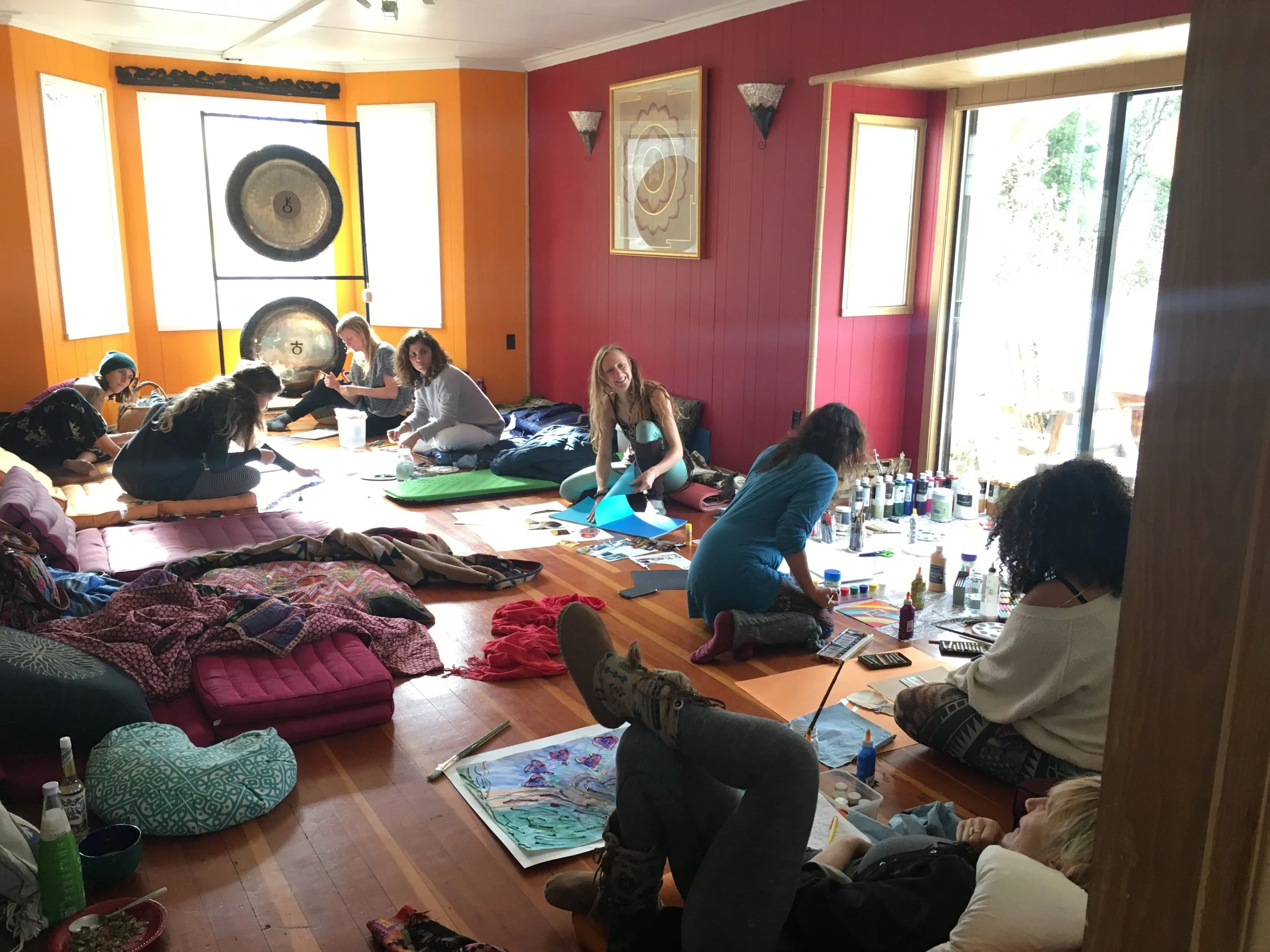
Reconnect With Creativity, Meaning and Other People
Creative expression can make room for enjoyment, curiosity and parts of yourself that have received little attention. It can also help you explore your relationships, cultural connections and sense of belonging. Our work may include discovering what feels meaningful now and how you want to give it more space in your life.
“It has given me the courage to really sink more deeply into my authentic expression of myself as an art therapist, I am very grateful”
I am one of your students in the KATI Psychedelic Integration and Art Therapy workshop and I am so impressed with the amount of care and knowledge and everything that you are putting into this work.
- Anonymous
“I learned that my subconscious was speaking to me through my art. This workshop is a wealth of knowledge. Workshop was great and I hope that others will take it”.
- Liala Halawa
"For me, Charmaine's art therapy was hands-down the most effective mental health modality that I have participated in during the last decade.”
The art process seemed to access my inner self in a different way than does the usual "talk" therapy. Also, her trauma-informed approach, focused on safety, inner-strength, healing, and connection to something-deeper-than-self, made this art therapy workshop both meaningful and effective, and it evoked beauty in the journey of becoming oneself.
- Anonymous
Questions About Art Therapy
-
No artistic ability or experience is needed. You can begin with simple marks, colours or shapes, and I can offer guidance if you’re unsure where to start. If making art feels intimidating, we can talk about that too. There is no expectation to produce something polished or beautiful.
-
Art therapy is for people of all ages, including adults. While it's sometimes associated with children's counselling, art therapy can be a valuable approach for adults navigating stress, anxiety, grief, trauma, relationship challenges, life transitions, or personal growth.
As adults, we often become accustomed to approaching problems through conversation and logical thinking. Creative expression offers another way to explore emotions, recognize patterns, develop self-awareness, and approach experiences from a different perspective.
Art therapy can also provide an opportunity to slow down, reconnect with creativity, and experience the enjoyment of making art without expectations or pressure to produce something beautiful.
No previous artistic experience is required.
-
We explore it together. I may ask what you notice, how something felt to create or what an image brings to mind. Your associations matter, and you don’t need to find a hidden message or arrive at a particular answer.
-
Art therapy is guided by a trained art therapist and centered on your therapeutic needs. Our attention is on your experience of creating, what you express and how it relates to your life. An art class generally focuses on learning techniques or developing artistic skills.
-
We begin by getting to know each other and establishing support for the work. You can tell me when you would like to pause, change direction or leave something for another day. We’ll discuss what feels manageable as we go.
-
No. Spirituality and questions of meaning can be part of our work if they matter to you. I also work with people who don’t relate to those perspectives. You’re welcome to bring your own beliefs, uncertainties and ways of understanding the world.
-
Yes. I offer online art therapy as well as in-person appointments in Calgary. We can discuss the materials and practical setup when arranging your session so you know what to have available in your own space.
-
Yes. Art therapy offers neurodivergent individuals an opportunity to explore emotions, experiences, and personal challenges through creative expression rather than relying entirely on verbal communication.
For people with autism, ADHD, or other neurological differences, making art can provide an alternative way to communicate feelings that may be difficult to explain in words. Sessions can be adapted to individual sensory preferences, communication styles, abilities, and comfort levels.
Art therapy focuses on each person's strengths and experiences, providing space to develop self-understanding, explore emotions, and express themselves in ways that feel natural and meaningful.
-
Art therapy provides a supportive environment where people with developmental disabilities and other differences can explore creativity, express emotions, and participate in meaningful activities at their own pace.
Depending on individual needs and goals, art therapy may support emotional expression, self-confidence, decision-making, sensory exploration, and social connection.
The creative process also provides opportunities to make choices, solve problems, and experience a sense of accomplishment. Rather than focusing on limitations, sessions emphasize individual strengths, personal interests, independence, and the satisfaction of creating something meaningful.
-
You don't need to be able to explain everything you're feeling to benefit from art therapy. Sometimes emotions, memories, or experiences are difficult to put into words, particularly when dealing with grief, trauma, anxiety, or conflicting feelings.
Art therapy offers another way to explore these experiences through drawing, painting, collage, and other creative activities.
Working alongside a trained art therapist, you can use the creative process to explore emotions at a comfortable pace. You can talk about your artwork if you wish, but verbal explanation isn't always necessary for the experience to be meaningful.

Take Your Next Step With Calgary Art Therapy
There may be something you’re ready to work through, express or understand differently. Let’s talk about what you need and how Calgary art therapy could support you.