



Understanding your inner world with curiosity and compassion
IFS Therapy in Calgary
Explore the parts of you that feel in conflict and discover what they need.
In-person and online appointments available.
Understanding your inner world with curiosity & compassion
IFS Therapy in Calgary
Explore the parts of you that feel in conflict and discover what they need.
In-person and online appointments available.
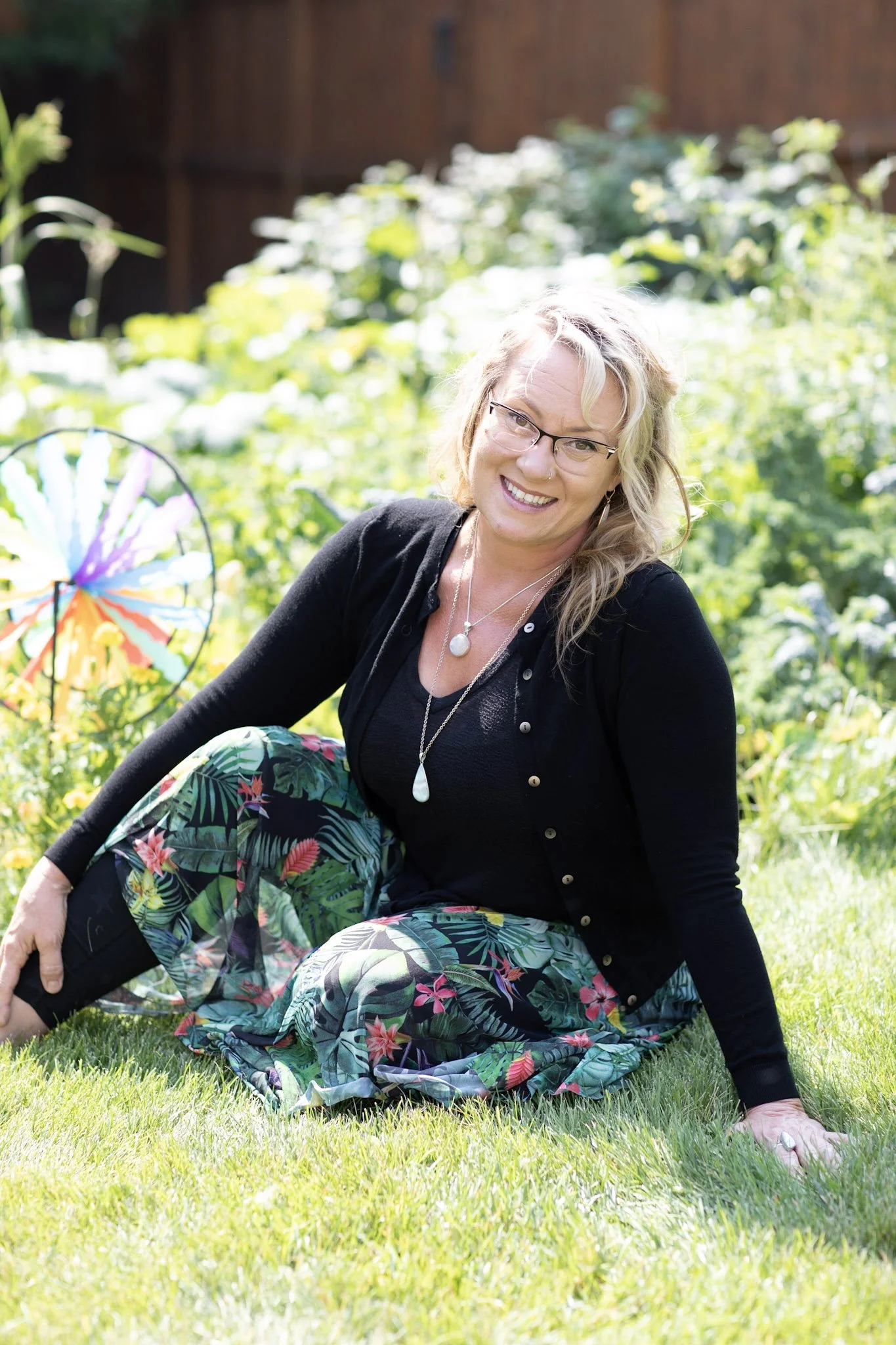
IFS Therapy With Charmaine Husum
Explore your inner world
I'm Charmaine Husum, a Registered Canadian Art Therapist, Somatic Counsellor and Clinical Supervisor. I integrate Internal Family Systems (IFS) into my trauma-informed practice, helping people develop a deeper understanding of their inner world, including protective parts, conflicting emotions, longstanding patterns and the experiences that have shaped their relationship with themselves.
My professional development in IFS includes the IFS Circle programme and study with Dr. Richard Schwartz, Dr. Frank Anderson, Risa Adams, Derek Scott, Loch Kelly and Karen Wallace. I have also explored IFS in relation to complex trauma, somatic healing, art therapy and psychedelic integration. I am currently undertaking IFS Level 1 training, with completion expected in January 2027.
My approach brings together IFS, Somatic Counselling and Art Therapy, allowing us to explore different parts of ourselves through conversation, creative expression, imagery and awareness of the body. I also facilitate workshops integrating IFS and art therapy, offering creative ways to connect with Self energy, build trusting relationships with our parts and support healing from within.

Understanding Inner Conflict, Self-Criticism and Anxiety
feeling pulled in two directions
Part of you may want to speak up while another fears upsetting someone. You might long for rest but feel driven to keep going, or want closeness while pulling away. These reactions can feel confusing, especially when they seem beyond your control.
Internal Family Systems (IFS), developed by Dr. Richard Schwartz, recognizes that we all have different parts, including protectors that often took on difficult roles in childhood. Beneath these parts is our core Self: our calm, compassionate, intuitive inner knowing. In IFS, there are no bad parts.
In my practice, we connect with Self energy and get to know these parts, rather than trying to get rid of them. Through somatic awareness and art therapy, we explore what they have been carrying and begin building trust.
What Happens in an IFS Therapy Session?
We begin by helping you connect with Self energy, your inner calm, clarity and compassion. From there, we listen to the parts that have been working so hard to protect you.
Working together
Connecting With Self & Your Parts
We begin by noticing what helps you feel grounded and connected to your Self, the essence of who you are beneath your reactions. From this place, we can gently meet the different parts of you through thoughts, feelings, physical sensations or imagery.
I may invite somatic awareness or creative expression to help you recognize these parts without becoming overwhelmed by them.
Getting to Know Your Protective Parts
Some parts carry younger wounds (exiles), while protectors, often called managers or firefighters, work hard to prevent that pain from returning. These parts may still see the world through experiences from childhood, responding as though you are not yet safe.
We take time to listen without judgment, understand their fears and let them discover that you are now an adult with more support and choices. We let them know we aren't trying to make them disappear.
Helping Parts Rest & Find New Roles
As our parts begin to trust Self, we can gently update them about the present. We ask what they might rather do if they no longer had to protect us so intensely, and help them release burdens they were never meant to carry.
This work can involve younger wounded parts, inner-child healing and somatic exploration. The intention is not to lose any part of ourselves, but to create more space for Self to lead.
How Parts Work Builds Self-Understanding
IFS approaches parts with curiosity about the roles they play. A response that causes difficulty now may have developed around an important concern, such as avoiding rejection, managing distress or protecting something vulnerable.
The goal isn’t to remove parts of yourself. We explore what they are concerned about and what they need, so familiar reactions can become less rigid and competing needs can be heard.
What Does “Self” Mean in IFS?
IFS describes a capacity for calm, curiosity and compassion called Self. You might recognize a moment when you can notice a strong feeling and become interested in it, rather than being completely caught up in it.
“Self-leadership” means developing that way of relating to your parts. Instead of automatically following your harshest thought or strongest fear, you can listen, consider what matters and choose how to respond. You don’t need to feel calm all the time to practice this.

IFS Therapy for Self-Criticism and Protective Patterns
Parts work gives us a way to explore why a pattern persists, including when you wish you could respond differently. We can listen to the needs involved while also considering the effect a response has on your life.
-
You may notice an internal voice that focuses on mistakes, compares you with others or tells you that you should be doing better. We can explore when that voice becomes strongest and what it fears would happen if it stopped pushing you. There is also room to acknowledge how exhausting or painful that pressure feels.
-
Being prepared or productive may feel tied to your sense of worth, security or acceptance. Even when you’ve accomplished something, another demand may quickly take its place. We can explore what makes “enough” difficult to recognize and what you fear might happen if you allowed yourself to stop.
-
You might agree before checking what you want, then feel resentful or frustrated with yourself afterwards. We can explore the part that wants to preserve connection alongside the part that needs more space. Our work can include finding words for your preferences and understanding the feelings that arise when you express them.
-
Pulling away or putting something off may bring short-term relief while leaving an important issue unresolved. We can explore what feels difficult to approach, what the withdrawal protects you from and what would make a next step feel more manageable.
-
Certain situations may bring up feelings of worthlessness, fear or vulnerability that seem bigger than the moment itself. My training in trauma and attachment informs how I approach this work. We take time to understand protective responses before exploring more painful experiences, with attention to your readiness and support.
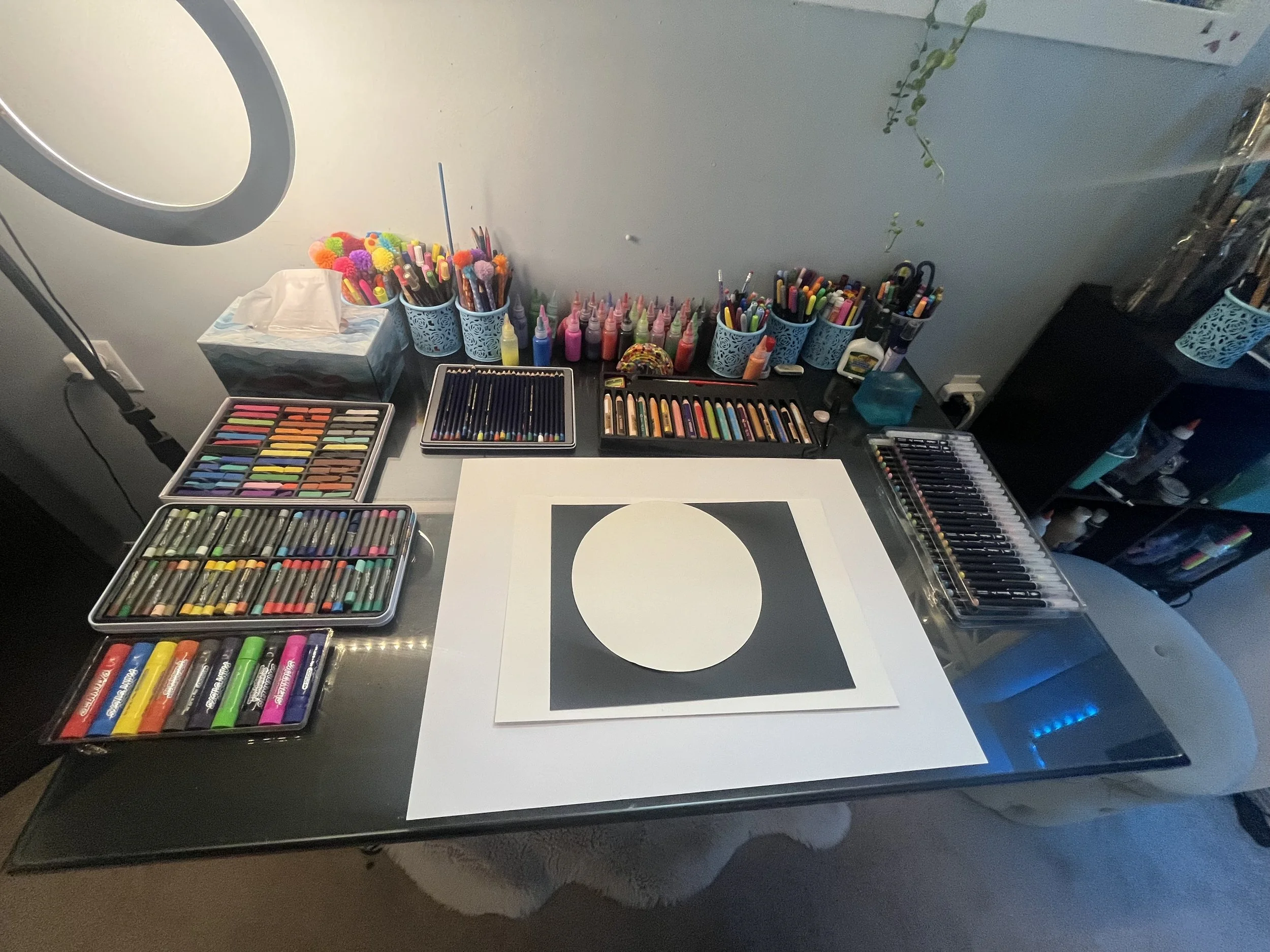
Combining IFS With Art Therapy and Somatic Counselling
when words are hard to find
Art can give different parts of your experience a visible form. I may invite you to represent a feeling or inner conflict through colour, shape, imagery or metaphor. Looking at what you’ve created can help us discuss how those experiences relate to each other.
You might notice that one image takes up most of the page while another is difficult to give space to. We can explore what you notice without assigning a meaning to it for you. My work facilitating IFS and art therapy workshops also informs the creative invitations I bring into individual sessions.
Somatic counselling adds attention to how these experiences feel physically. We may notice a change in posture, tension or breathing as a particular concern comes forward. Together, these approaches give us several ways to explore parts work, including when words are difficult to find.
Questions About IFS Therapy and Parts Work
-
No. These are individual appointments focused on your own thoughts, feelings and internal responses. We may explore family relationships or earlier experiences when they are relevant, but family members do not need to participate.
-
Parts work is a broader term for approaches that explore different aspects of a person’s inner experience. IFS is one specific model. In my practice, I draw on IFS alongside art therapy, somatic counselling and other relevant training.
-
No. You may find imagery useful, or you may relate more easily to thoughts, feelings or physical sensations. We can use ordinary language, such as “the side of me that worries,” rather than giving every experience a name or character.
-
No. We can understand why a response developed while taking its effects seriously. Recognizing what sits beneath anger, avoidance or criticism can become part of choosing how to act and how to address the impact on yourself or others.
-
Only where that exploration is relevant and something we agree to approach. We can begin with what is happening in your life now. You don’t need a detailed account of your childhood to start working together.
-
You’re welcome to say so. We can discuss what the language means and whether it helps describe your experience. I draw on several approaches and will work with you to find a way of exploring that feels useful.
-
Yes. I offer individual counselling incorporating IFS online and in person in Calgary. We can discuss your goals and how we might work together during a discovery call.

Find Greater Understanding Through IFS Therapy
You can begin with a feeling, a familiar pattern or a question about yourself. Let’s explore what you would like to understand and how parts work could support greater clarity and choice in your life.